Cushing's Disease in Dogs – American Kennel Club


34 Toy Dog Breeds That Stay Puppy-Sized Forever
The most popular dog breeds are often small and adorable. In fact, some are so tiny that they're dubbed teacup dogs—petite enough to rest comfortably in a dainty cup. Miniature dogs make some of the best apartment dogs purely because they don't take up too much room. And toy dog breeds are so portable, you can take them just about anywhere without too much fuss. They love being carried in totes while out on the town or in backpacks while you do the hard work of hiking the trails. These cute little pups are so small you might want to get more than one!
What is a toy dog breed?We know you're excited to see the cute small dogs we've rounded up, but there are a few things you should know about toy dog breeds first. For starters, they're short and lightweight. "A toy breed typically refers to a very small dog, typically weighing less than 14 to 18 pounds," explains veterinarian Alena Abens, DVM, medical director of VCA Chicago North Animal Hospital. "However, different kennel clubs have different breeds in their toy category."
 Ekaterina Gorokhova/Getty Images
The American Kennel Club (AKC), for instance, lists the affenpinscher in the toy category, while the Continental Kennel Club lists it in the pinschers and schnauzer group and the United Kennel Club classifies it as a companion dog breed. To add to the confusion, "the Merck Veterinary Manual says toy breeds are those that weigh less than 10 pounds," says veterinarian Matthew McCarthy, DVM, founder of Juniper Valley Animal Hospital in Middle Village, New York.
"Perhaps another way to look at this is that toy dog breeds are a group of dogs that are small in stature and bred solely for their perceived attractiveness and companionship as opposed to having 'practical' skills such as pointing or retrieving," says Dr. McCarthy. And when it comes to companionship, some toy breeds are known for being super affectionate and cuddly dogs.
Are toy breeds healthier than other breeds?All dog breeds are susceptible to different diseases. Brachycephalic dogs, such as the pug and bulldog, have short snouts, which makes them more prone to breathing issues and heat stroke. And Cavalier King Charles spaniels are predisposed to mitral valve heart disease, according to Dr. Abens.
As for the healthiest, "based on my experience, I would call out the Havanese and miniature pinscher as the least problematic," says Dr. McCarthy. The Coton de Tulear, also on our list, is relatively free of genetic health issues, per the AKC. Don't forget—those tiny chompers are part of the health factor too. Dr. McCarthy says periodontal issues are common in all toy breeds, so start dental care early.
ⓘ
Do toy breeds live longer than other breeds?"In most of the animal kingdom, longevity increases with body size. For example, a mouse lives about 18 months, while an elephant can live for 90 years. However, with dogs, longevity decreases with increased body size," says Dr. McCarthy.
That's why toy poodles may live well into the teens, but Great Danes rarely live past 10 years of age. It is unknown why small dog breeds have longer life spans, but some research has found that, statistically speaking, larger dogs do in fact live shorter lives than smaller breeds, says Dr. Abens.
Read on to learn more about the most popular toy dog breeds.
Miniature schnauzer Viktor plazzeriano/Getty Images
We can't decide what's more endearing: the mini schnauzer's human-like eyes and bushy eyebrows, its distinguished beard and mustache, or its adorable stocky body. And if these attributes weren't enough to make the mini schnauzer the most favored of the schnauzer breeds (there's the standard and giant schnauzer too), they're outgoing, great with kids, and friendly.
Breed Overview Height: 12 to 14 inches Weight: 11 to 20 pounds Life expectancy: 12 to 15 years Toy American Eskimo nwbob/Getty Images
Here's a shocker: The American Eskimo dog doesn't come from the frozen tundras of Alaska. Eskie's, as they are known by adoring fans, originally hail from Germany. They're undeniably cute, playful, perky, and quick at learning tricks. They tend to be protective, with herding in their genes, but never in an "I'll nip your feet" kind of way. And that goes for the miniature and standard varieties of Amerian Eskimos.
Breed Overview Height: 9 to 12 inches Weight: 6 to 10 pounds Life expectancy: 13 to 15 years Toy poodle paylessimages/Getty Images
If you're looking for adorable toy dog breeds that look like teddy bears, these fluffy little nuggets are about the same size as a stuffed animal but much more cuddly and a whole lot more fun to play with. Maxing out at around five pounds and less than ten inches tall, they're just as portable as your favorite teddy. They'll be your devoted sidekick for years. "Many toy poodles live to their upper teens. I've even seen some 24-year-old toy poodles," says Dr. McCarthy. The toy is the smallest of the poodle breed; next is the miniature, at 10 to 15 inches tall, and the standard, at about 15 inches high.
Breed Overview Height: 10 inches max Weight: 4 to 6 pounds Life expectancy: 10 to 18 years Shih poo SolStock/Getty Images
If the name didn't give it away already, we'll let you in on a secret: The shih poo is a mixed-breed dog—a cross between a shih tzu and a poodle that's among the cutest dogs that stay small. You're getting the best of both doggie genes here: the super-affectionate and charming traits of the shih tzu and the playful, comedic, smartypants personality of the poodle. Bonus: Both breeds tend to shed less than other dogs.
Breed Overview Height: 8 to 15 inches Weight: 7 to 20 pounds Life expectancy: 13 to 17 years Maltese Utenzilije/Getty Images
With those expressive eyes and outgoing, spunky personalities, you would have to have a heart made from coal to resist this loveable miniature dog. "Maltese are typically affectionate and charming, and they make both good watchdogs and athletes," says Dr. Aben. The only drawback is that their adorable white fur requires daily brushing to prevent matting. But that just means you get to spend more time with this little angel.
Breed Overview Height: 7 to 9 inches Weight: Under 7 pounds Life expectancy: 12 to 15 years Papillon FaST_9/Getty Images
"Papillons are named after the French word for butterfly due to their wing-shaped ears," says Dr. Abens. "They are dainty and elegant but can also make excellent agility dogs." They live to flaunt their stellar intelligence and agility while doing obstacle courses and obedience trials. Fortunately, papillons don't have to compete outside of the home to be content. Feed their curious and alert minds with puzzle toys and new tricks, and after you're all done, snuggle those adorable ears.
Breed Overview Height: 8 to 11 inches Weight: 5 to 10 pounds Life expectancy: 13 to 15 years Chiweenie Brycia James/Getty Images
We love this sweet teensy-weeny toy dog breed. Does that give you a clue as to who its parents are? This designer breed mix of a Chihuahua and a dachshund, also known as a choxie, is pocket-size but has a giant personality. Both breeds are known for their spunk and moxie and their fearless loyalty to their favorite humans. Chihuahuas and dachshunds can be short- or long-haired pups, and chiweenies are the same. Their bodies tend to be shorter and robust, favoring the Chihuahua, with the long and narrow tail of a dachshund.
Breed Overview Height: 6 to 10 inches Weight: 5 to 12 pounds Life expectancy: 12 to 15 years Yorkshire terrier Attila Fodemesi/Getty Images
A delightfully sweet and devoted companion you can carry in your tote? Sign us up! Yorkies love to be with their human, and if that means a shopping trip to Nordstrom in a snazzy tote, so be it. Yorkies aren't likely to trigger allergies or shed too much. They can be little yappers, which really just translates to "lively and alert." At least you'll know when your Amazon order is delivered.
Breed Overview Height: 8 to 9 inches Weight: 4 to 6 pounds Life expectancy: 13 to 16 years Pug malamooshi/Getty Images
"The pug motto is 'multum in parvo,' which translates to 'a lot in a little,'" says Dr. Abens, and we couldn't agree more. "They are typically happy and energetic dogs with adorable facial expressions." And by energetic, we don't necessarily mean physical. Truth be told, they would rather cuddle than do anything too strenuous. They're energetic in the sense that they are extroverts—animated and gregarious, making their rounds at gatherings and entertaining the masses. Where do you think the dogs in these funny photos got their ideas from?
Breed Overview Height: 10 to 13 inches Weight: 14 to 18 pounds Life expectancy: 12 to 15 years Cavalier King Charles spaniel fotyma/Getty Images
If there were a competition for the most comfort-bestowing toy dog breed, the Cavalier would be hard to beat. They are mild-mannered, and their heartwarming affection knows no limits, nor does their eagerness to please. They easily check off the qualifications for being one of the best dog breeds for emotional support. Yet they can balance being a therapy dog with being a family dog. "They adapt well to their owner's lifestyle, so they can be very active or lazy couch potatoes," says Dr. Abens.
Breed Overview Height: 12 to 13 inches Weight: 13 to 18 pounds Life expectancy: 9 to 14 years English toy spaniel slowmotiongli/Getty Images
Did we share the same dog twice? Nope, the English toy spaniel and Cavalier King Charles spaniel are toy dog breeds everyone gets confused. Their coats are similar, but look closely and you might notice their bodies are different. The English toy is stocky, compact, and square. The head is chunky and prominent. The Cavalier's head is proportionate to the body, which is well-balanced and slightly longer. Personality-wise, the English toy is an affectionate, good-natured, and gentle companion dog like the Cavalier, albeit a wee bit stubborn when it comes to training.
Breed Overview Height: 10 to 11 inches Weight: 8 to 14 pounds Life expectancy: 10 to 12 years Havanese Dorottya_Mathe/Getty Images
"Havanese are typically born trainable extroverts with silly personalities, and they can be excellent watchdogs," Dr. Abens says. That's about the only time they bark, so if you hear them, something's up. Havanese delight in all kinds of activities, including performing tricks, clowning around, and playing with toys. These happy pups don't shed much, but daily grooming is essential to keep their silky coat smooth.
Breed Overview Height: 8.5 to 11.5 inches Weight: 7 to 13 pounds Life expectancy: 13 to 15 years Pomeranian androsov58/Getty Images
Is this a miniature dog or tiny fox? That teeny, fox-like face is so precious, but as you probably know, Pomeranians are all dog. You can't help but scoop them up to cuddle. They tend to be headstrong, feisty, and sassy, and they love to be the center of attention. Sometimes they're just playful, but other times they convey their opinions with yapping.
Breed Overview Height: 7 to 12 inches Weight: 3 to 7 pounds Life expectancy: 12 to 16 years Brussels griffon Galina Zhigalova/EyeEm/Getty Images
The beard on a Brussels griffon may remind you a bit of the miniature schnauzer, and then there's that sweet-yet-grumpy face. Griffs can be demanding, assertive, and full of self-importance, but it's just their way of saying they want to be as close as possible to you, whether you're on the sofa, sleeping, making dinner, or going to the bathroom. They don't like to be left alone at home, and if they are, they will probably bark their complaints for all the neighbors to hear.
Breed Overview Height: 7 to 8 inches Weight: 7 to 12 pounds Life expectancy: 10 to 15 years Cavachon Exposure Photography/Getty Images
The Cavachon is a super-cute mixed dog breed whose parents are a Cavalier King Charles spaniel and bichon frise. The parent breeds are part of the AKC toy and nonsporting groups, and their combined genetics create a sweetheart of a pooch oozing with an affectionate, sensitive, and gentle nature. That doesn't mean they'll be all-day lap loungers, though. They like to mingle and play with humans and other animals too.
Breed Overview Height: 12 to 13 inches Weight: 15 to 35 pounds Life expectancy: 10 to 15 years Shih tzu dokmaphoto/Getty Images
A strong independent streak might not make shih tzus stellar students when learning new commands, but their stubborn attitude is so stinkin' adorable, you can't help but forgive them. And really, can you blame them? Initially bred to be companion dogs, their doting and fondness for human attention come naturally. If it were up to the shih tzu, it would skip obedience school and meet new friends at the dog park.
Breed Overview Height: 9 to 10.5 inches Weight: 9 to 16 pounds Life expectancy: 10 to 16 years Affenpinscher Yvonne Van der Horst/Getty Images
We're fairly certain affenpinschers have been stand-ins for Wookies and Ewoks in Star Wars movies. Just look at that coat and the scrunched-up face! It's a bewildering mix of neat and messy, and yet affenpinschers are one of the dog breeds that don't shed too much. They show loyalty and warm affection but are not submissive. In fact, they consider themselves fluffy versions of humans, though they're probably the only friends inquisitive and fearless enough to lick your face.
Breed Overview Height: 9.5 to 11.5 inches Weight: 7 to 9 pounds Life expectancy: 12 to 14 years Chihuahua La Bicicleta Vermella/Getty Images
All dogs are individuals, but some toy breeds might be more suspicious or scared of humans and compensate for their small stature by being nippy. "Chihuahuas can go either way—when they're nice, they are amazingly sweet, but if they have the grumpy gene, look out," says Dr. McCarthy. "I have more scars from Chihuahuas than I do from other breeds." Chihuahuas are not actually mean. They're just saucy and feisty, and we wouldn't have it any other way. Saucy or sweet, they ranked number 34 on the AKC's list of the most popular dog breeds of 2020, and this is how long they'll live.
Breed Overview Height: 6 to 9 inches Weight: 2 to 6 pounds Life expectancy: 12 to 20 years Miniature pinscher bruev/Getty Images
We know what you're thinking. We thought it too. The miniature pinscher is clearly a pint-size version of the Doberman pinscher, right? The teeny-weeny toy breed, also known as the min-pin, would be the first to correct you. Breed historians believe the miniature pinscher may be a mix between an Italian greyhound and a dachshund. Oddly enough, it's dubbed the King of Toys even though it's just a foot tall and weighs about 10 pounds. We can see that in its confident and courageous personality and its stately sleek and shiny coat, high-perched ears, and expressive eyes.
Breed Overview Height: 10 to 12.5 inches Weight: 8 to 11 pounds Life expectancy: 15 years Pekingese SVPhilon/Getty Images
Will you be a dear and fetch me my royal treats? The Pekingese is a honey of a toy breed that exudes a dignified manner with a dash of aloofness. Back in the day, they were royal lap sitters. There's definitely still some blue blood running through their veins—and bluish-black tongues. They're easygoing and have layers upon layers of snuggle-worthy luxurious fur. Next, read what the black spots on your dog's tongue really mean.
Breed Overview Height: 6 to 9 inches Weight: 7 to 14 pounds Life expectancy: 12 to 14 years Biewer terrier VSFP/Getty Images
Cute as a button, the Biewer (pronounced "beaver") is a calm dog breed with an irresistibly cute, angelic face and a charming little smile. Biewers make friends effortlessly with their outgoing and whimsical personalities. Dainty and precious is their vibe, but in truth, they are surprisingly athletic and relish long walks and agility competitions. The AKC recognized the Biewer in 2021 as a member of the toy group.
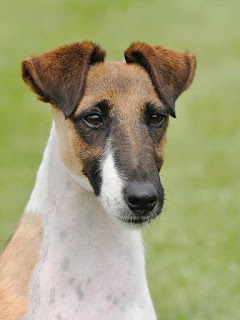
Breed Overview Height: 7 to 11 inches Weight: 4 to 8 pounds Life expectancy: 12 to 15 years Tiny fox terrier Sergey Ryumin/Getty Images
Just how tiny is the tiny fox terrier? It weighs between four and six pounds and ranges from eight to 11 inches tall. A teensy package loaded with character, the tiny fox is an unlikely combination of a sweet and loving lapdog and a tenacious terrier. Always in the pursuit of something fun, they'll need you to bring your A game—or they could become mischievous.
Breed Overview Height: 8.5 to 11.5 inches Weight: 3.5 to 7 pounds Life expectancy: 13 to 14 years Coton de Tulear Grace Cary/Getty Images
Fluffy but not stuffy, the Coton de Tulear (KO-Tone Dih TOO-Lay-ARE) is a happy-go-lucky pup with the cutest smile you ever did see. Then there's that alluring cottony-soft coat you could cuddle for hours. As much as the Coton de Tulear loves a good snuggle session, it needs creative outlets for its sometimes boisterous clownish antics. These dogs covet playtime with you, along with lots of interesting and challenging toys and games. You'll have plenty of years together because the Coton de Tulear is one the longest-living dog breeds.
Breed Overview Height: 9 to 11 inches Weight: 8 to 15 pounds Life expectancy: 15 to 19 years Russian Tsvetnaya Bolonka Nature and food photography. Body parts./Getty Images
A charming, spirited, and clever miniature dog with a hard-to-pronounce name (Svet-NE-ya Bo-LON-ka), the Russian Tsvetnaya Bolonka is one of those rare dog breeds you probably haven't heard of before. But now that you know it, you'll want one for yourself. This sweet little pup tart is chummy with everyone and turns strangers into fast friends with just one look. The Russian Tsvetnaya Bolonka is more lapdog than athlete. Still, every dog needs daily exercise. A walk around the block, playtime in a fenced yard, or a trip to the dog park should suffice.
Breed Overview Height: 8 to 12 inches Weight: 4 to 12 pounds Life expectancy: 12 to 16 years Japanese Chin Niconic_Photography/Getty Images
The Japanese Chin struts about with swagger and self-importance, and we're not about to call them out on it. This Japanese dog knows it has a coat to be envied—that long, luscious fur covering its backside and heavenly feathering on its legs and ears are Instagram-worthy. Interestingly enough, Japanese Chins share some traits with cats. They're meticulous groomers, a bit aloof, and persnickety. They'll claim their favorite spot on the sofa but are more than happy to share it if you lavish them with some love.
Breed Overview Height: 8 to 11 inches Weight: 7 to 11 inches Life expectancy: 10 to 12 years Norwich terrier CaptureLight/Getty Images
Portable and adorable? How can you turn down this honey of pup that you can take anywhere? At just 10 pounds, the Norwich terrier is ready to travel anywhere in the city or country. This breed loves to take in its surroundings and interact with other people, satisfying its curious nature with fun and active things to do. Agility games, flyball, and playing at the dog park expend enough energy to wear them out for cuddle time later.
Breed Overview Height: 10 inches Weight: 12 pounds Life expectancy: 12 to 15 years Chorkie CBCK-Christine/Getty Images
Another tiny crossbreed, the chorkie is born of a Chihuahua and a Yorkshire terrier. And it's pretty apparent after spending a little bit of time with one that the breed has acquired the lively, spunky, and sassy nature of its parents. Both breeds tend to be wary of strangers, but that's probably due to their undying loyalty to their favorite humans. They love their humans with all their might and aren't crazy about outsiders horning in on their territory.
Breed Overview Height: 6 to 9 inches Weight: 8 to 15 pounds Life expectancy: 10 to 15 years Cesky terrier Matthew Eisman/Getty Images
Years ago, most terriers were bred to hunt and kill rodents and other small critters. Terriers today are more about play than hunting but retain a deep-seated independent streak and loads of energy—think zoomies times ten and a wee bit naughtiness—except the Cesky terrier. Its dignified appearance doesn't exactly lend itself to excitedly running around. It's a bit more mellow, cooperative, and easy to train, and it's a wonderful family dog.
Breed Overview Height: 10 to 13 inches Weight: 13 to 24 pounds Life expectancy: 12 to 15 years Bichon frise Young777/Getty Images
The name says it all: "Bichon" is the French word for "lapdog," and "fries" is French for "curly." We just call them precious balls of fluffy goodness. You'll never see any other color but white on a bichon. Nor will you see too much fur on your floor. Their hair doesn't shed, and their skin doesn't produce much dander, which is good news for people who have allergies. Like humans, they'll need haircuts via regular groomer visits. As for the pup's temperament, bichons are as sweet as the day is long.
Breed Overview Height: 9.5 to 11.5 inches Weight: 12 to 18 pounds Life expectancy: 14 to 15 years Toy Manchester terrier DevidDO/Getty Images
While the standard Manchester terrier may be slightly bigger than your average small dog breed, the toy version is absolutely perfect for hands-on pet parents. The small size makes them great companion dogs, which are known for loyalty and alertness. These miniature dogs are also great for rooting out pests, perfect if you've been dealing with a pesky mouse problem at home.
Breed Overview Height: 10 to 12 inches Weight: 12 pounds max Life expectancy: 15 to 17 years Teacup poodle zhao hui/Getty Images
Poodles have always been popular, and these little guys are favorites of dog lovers who want the companionship of a poodle, just in a smaller size. Unlike the toy poodle, however, this technically isn't one of the toy dog breeds.
A teacup pup is usually smaller than a toy breed and is not recognized by the AKC. Before you buy, know that many veterinarians have concerns about these breeds, and not just because of their tiny size. After all, the Chihuahua is an AKC-recognized toy breed that weighs only about five pounds, similar to toy breeds. The concern is due to unethical breeding practices. Breeding runts leads to a host of health problems, such as the inability to maintain blood sugar levels. Plus, they are so small that they can easily be injured. If you do buy a teacup breed, be sure you find a reputable and ethical breeder.
Breed Overview Height: 9 inches max Weight: 6 pounds max Life expectancy: 12 to 14 years Border terrier Mike Powles/Getty Images
Border terriers aren't technically a toy breed, but they will remain small throughout their lives. They're both affectionate and athletic small dogs, needing a lot of exercise. Their wiry coat is also low maintenance. Male and female border terriers have slightly different size ranges, but you can expect this happy-go-lucky dog to maintain a healthy adult weight under 15 pounds, which is just perfect for snuggling in an adult's lap. They're also fiercely loyal and protective, making them excellent family members.
Breed Overview Height: 12 to 15 inches Weight: 11 to 15 pounds Life expectancy: 12 to 15 years Cairn terrier Bigandt_Photography/Getty Images
Though they're not always classified as toy dog breeds, cairn terriers are small, snuggly, and smart lapdogs that will stay small. They have wiry coats and enjoy being around their families—your pup will want to hop into your lap and be around you as much as possible. They are also athletic dogs that need daily walks and bouts of play. They're often mistaken for Yorkshire terriers but are actually slightly larger in height, weight, and structure.
Breed Overview Height: 10 inches Weight: 13 to 14 pounds Life expectancy: 13 to 15 years Miniature dachshund Image by cuppyuppycake/Getty Images
If you're looking to be the talk of the local pet meetup club, consider this incredibly sweet small dog breed that is often compared to a popular ballpark snack. Miniature dachshunds are affectionate, intelligent, and athletic. They are perfect for a wide range of pet parents, from families with children to child-free older adults. They're easily trained and love to play and go for walks. Plus, their small size makes them easy to carry around. Keep in mind: Because of their long backs, these dogs can develop back problems.
Breed Overview Height: 5 to 6 inches Weight: 11 pounds max Life expectancy: 12 to 16 yearsSources:
Next: Explore the most popular dog breeds in America.
Michael Jackson Had History Of Health Problems
(CNN) -- Pop icon Michael Jackson, 50, who died Thursday afternoon after being rushed to a Los Angeles hospital in cardiac arrest, had a long history of confirmed health problems, in addition to rumored conditions.

Michael Jackson, seen here in 2005, was taken to UCLA Medical Center in cardiac arrest Thursday.
In 1984, Jackson was burned while singing for a Pepsi-Cola commercial in Los Angeles, when a special-effects smoke bomb misfired. He had to have major surgery on his scalp and said that because of the intense pain, he developed an addiction to painkillers.
He also was reported to have a form of lupus in the 1980s, but it was later said to have gone into remission.
Jackson also had had numerous plastic surgeries, including rhinoplasty and a chin implant.
In 1993, Jackson's dermatologist, Dr. Arnold Klein, released a statement saying that Jackson had a skin disease called vitiligo. The condition causes a person to lose melanin, the pigment that determines the color of skin, hair and eyes, in patches or all over the body. Vitiligo affects 1 million to 2 million people in the United States, according to the National Institutes of Health, and no one knows what causes it. Learn about the difference between heart attack and stroke
He was also hospitalized with chest pains in 1990 and postponed a concert because of dehydration in August 1993. A concert tour was cut short in November 1993 because of an addiction to prescription painkillers amid allegations of child molestation.
During a rehearsal at the Beacon Theater in New York in December 1995, the entertainer collapsed onstage from apparent dehydration and low blood pressure and was hospitalized.
While jurors deliberated in a case in which he was accused of child molestation in June 2005, Jackson went to a hospital for treatment of what his spokeswoman said was recurring back pain. He had complained of back problems before.
Rumors circulated in December that Jackson was ill and in need of a lung transplant because of Alpha-1 antitrypsin deficiency, a rare genetic condition.
More rumors emerged in May that Jackson had skin cancer. But Randy Phillips, president and CEO of AEG Live, told CNN at the time, "He's as healthy as he can be -- no health problems whatsoever."
Jackson apparently collapsed in his home in Los Angeles on Thursday and was taken by ambulance to UCLA Medical Center. 
Jackson family attorney Brian Oxman told CNN on Thursday that Jackson's use of medications had gotten in the way of doing rehearsals.
"His injuries, which he had sustained performing, where he had broken a vertebra and he had broken his leg from a fall on the stage, were getting in the way. I do not know the extent of the medications that he was taking," he said.
Cardiac arrest, distinct from heart attack, affects about 300,000 Americans every year, Dr. Clyde Yancy of the American Heart Association told CNN. Without immediate efforts to resuscitate a person, the survival rate is usually 5 percent to 15 percent, he said.
If resuscitation takes longer than three to five minutes, a person could experience profound impairments, particularly neurologically, he said. Beyond five minutes, the likelihood of success falls quickly, especially in older people. Younger people can tolerate cardiac arrest somewhat better, he said.
All About Michael Jackson
Portosystemic Shunt In Dogs: Symptoms, Causes, & Treatments
Portosystemic shunt (PSS) — also known as a liver shunt — in dogs is a medical condition that affects the normal flow of blood through the liver. Under typical circumstances, blood from the intestine, spleen, and pancreas travels through the portal vein to the liver, where it gets cleansed of toxins, supplied with nutrients, and stabilized in terms of sugar balance. However, in dogs with PSS, this blood bypasses the liver due to an abnormal connection — shunt — between the portal vein — or one of its branches — and another vein, leading directly to the general circulation. This abnormality means the liver is sidestepped, preventing blood detoxification and nutrient regulation.
PSS can pose significant risks to your dog's health if not properly addressed. Here's what you should know about the symptoms, causes, and treatments for portosystemic shunt in dogs.
Symptoms of Portosystemic Shunt (PSS) in dogs(Photo Credit: Monty RakusenGetty Images)
The symptoms of PSS in dogs can vary widely, often depending on the severity and type of shunt. Some dogs may display only mild signs, while others can have severe clinical symptoms. Key symptoms include:
These symptoms often become apparent or worsen after eating due to the increased toxins entering the bloodstream from the digestive tract. If your dog exhibits any of these symptoms, especially in combination, it's crucial to consult your veterinarian as these signs can also be indicative of other serious health issues.
Causes of Portosystemic Shunt (PSS) in dogsThere are two main types of portosystemic shunts in dogs: congenital and acquired. Congenital shunts are present at birth and are typically the result of genetic factors. As a result, certain breeds are more susceptible to this condition. Congenital shunts can be further categorized into intrahepatic and extrahepatic shunts, depending on their location. Intrahepatic shunts are often found in larger dog breeds and involve a shunt within the liver. Extrahepatic shunts are typically seen in smaller breeds and involve a shunt outside the liver.
Breeds at a higher risk of congenital PSS include:
Acquired shunts, on the other hand, develop later in life and are often secondary to liver disease, such as cirrhosis, which increases pressure in the portal vein and causes blood to be rerouted around the liver. Although acquired shunts can occur in any breed, they are generally seen in older dogs.
Diagnosing PSS in dogs can be challenging, as the symptoms can be vague and similar to other conditions. Your veterinarian will perform a physical exam and run various tests to determine if your dog has PSS. These tests may include:
Bloodwork: Your veterinarian will perform a complete blood count (CBC) and a serum chemistry panel to evaluate your dog's liver function and assess the levels of various substances in the blood.
Urinalysis: This test can help identify any abnormalities in your dog's urine, such as high levels of protein or blood.
Imaging: Your veterinarian may also recommend an ultrasound or a CT scan to look for abnormalities in the liver and blood vessels.
If PSS is suspected, your veterinarian may conduct additional tests, such as a bile acids test or a shunt study, to confirm the diagnosis.
Treatments for Portosystemic Shunt (PSS) in dogsTreatment for PSS in dogs varies based on the severity of the condition and whether the shunt is congenital or acquired.
Surgical treatment: The most definitive treatment for a congenital portosystemic shunt is surgical ligation or gradual closure of the abnormal vessel. This surgery aims to redirect blood flow through the liver, allowing for proper metabolism and detoxification. The success of this surgery can be high, but it depends on various factors, including your dog's overall health and the complexity of the liver shunt.
Medical management: In cases where surgery isn't an option or as a pre/post-operative measure, your veterinarian may recommend a medical approach to manage your dog's PSS. This often involves a special diet that is lower in proteins and easier for your dog's liver to process. Alongside diet, your vet may also prescribe medications to decrease the absorption of ammonia from the gut, such as lactulose, and antibiotics to reduce the production of ammonia by gut bacteria. Remember, while medical management can improve symptoms, it does not cure PSS, but it is particularly valuable for dogs not deemed good surgical candidates.
Interventional radiology: For some dogs, a minimally invasive procedure called interventional radiology might be available. This technique involves using imaging guidance to place coils or other devices to gradually close the shunt internally. This option presents fewer risks than traditional surgery and typically offers a quicker recovery period. However, it's not suitable for all types of shunts or available in all veterinary practices.
Regardless of whether your dog undergoes surgery, long-term management is often necessary. Regular veterinary check-ups are essential to ensure any adjustments to treatment can be made as needed. In some cases, dogs may need to continue on medications indefinitely.
The post Portosystemic Shunt in Dogs: Symptoms, Causes, & Treatments appeared first on DogTime.
View comments
Comments
Post a Comment